AI And Automation Skills Every Professional Should Learn
Artificial intelligence and automation are no longer the domain of tech companies or tech-related work. Artificial intelligence systems are slowly being incorporated across various industries, ranging from finance to marketing, HR, education, and operations. Reporting, correspondence, recruitment lists, customer services, and even decision-making are all aided by artificial intelligence systems.
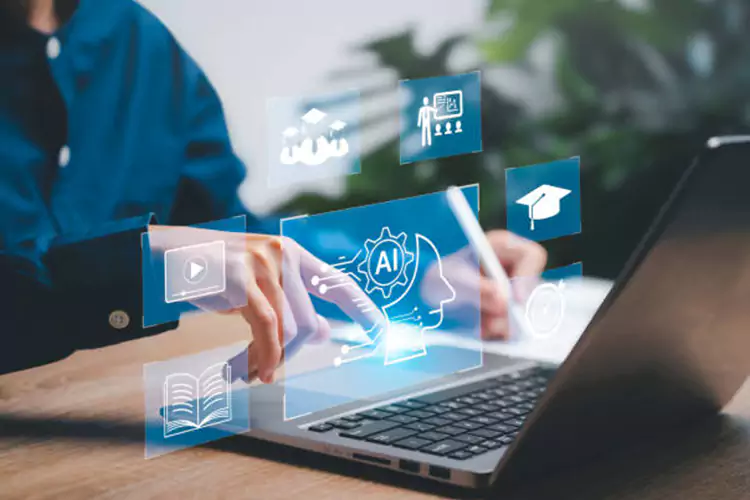
For professionals, what this represents is not replacing human roles. Rather, it represents learning about AI and learning about working with AI. Knowledge of the right skills will help professionals remain relevant and assist them in making the right decisions pertaining to their careers in the automated workplace.
Foundational AI Knowledge
To learn any tooling and skills, an understanding of AI is important because AI refers to those systems with the capability to carry out tasks that have traditionally been the subject of human intelligence, like learning, problem-solving, and identification of patterns.
On the other hand, automation promotes the use of technology to perform repetitive work with little human intervention. While not all automation is AI, many recent automation systems incorporate AI technology.
Understanding basic specifics of these topics enhances professionalism when dealing with technology teams and ensures decisions are made, not confusion, when technical terms are encountered.
AI And Automation Skills Every Professional Should Learn In 2026
Data Literacy and Analytical Thinking
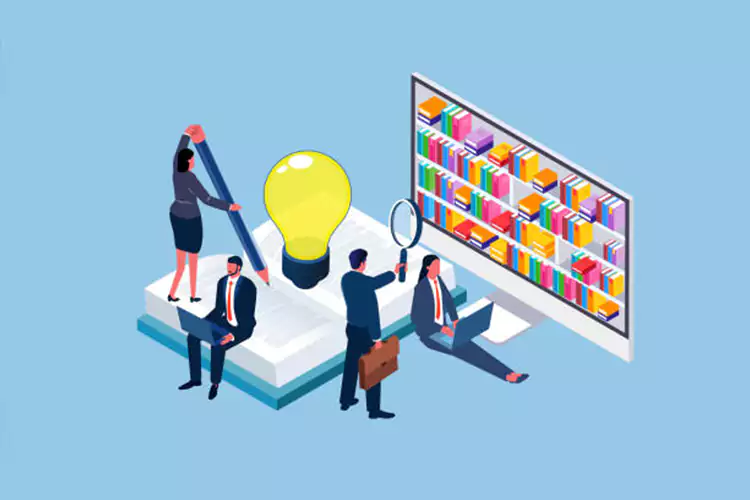
Artificial Intelligence systems function on data. Data literacy represents the most valuable skill in the modern workplace. Data literacy does not involve learning to be a data scientist. Data literacy involves learning to read, interpret, and interrogate data.
Professionals need to be able to interpret data represented as a graph, dashboard, or report. They also need to recognise data patterns, formulate effective questions, and grasp the underlying realities presented by data. Analytical thinking prevents illogical data-based decision-making.
In work environments where AI systems provide insights, this skill is important because it ensures humans remain responsible for the final decisions.
Technological Knowledge and Awareness
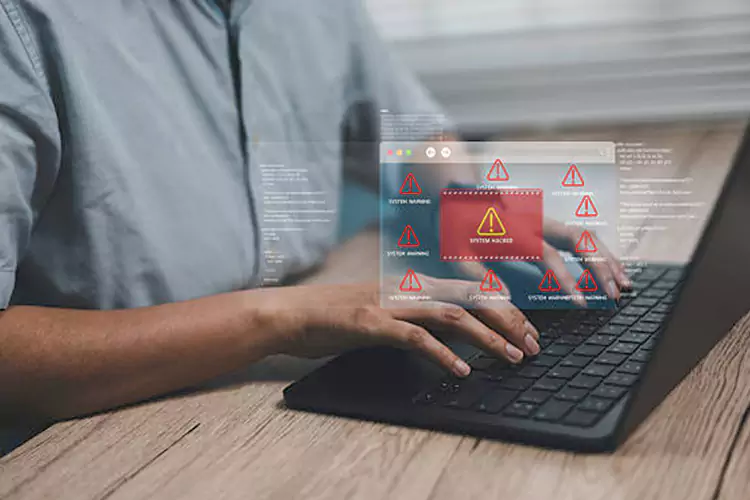
While deep coding knowledge is not required for everyone, basic technical awareness is extremely useful. Understanding how software works, what algorithms do, and how systems process information helps professionals use AI tools more effectively.
Languages like Python, R, and SQL are commonly associated with AI, but many professionals benefit more from learning no-code or low-code platforms. These tools allow users to build workflows, automate tasks, and analyse data without writing complex code.
This level of technical understanding reduces dependency on IT teams and increases confidence when adopting new technologies.
Machine Learning Fundamentals
Machine learning comes under the broader category of artificial intelligence. It helps computers or machines learn automatically from data without having to specifically code for each and every operation.
There is no need to know about machine learning models, although professionals would benefit from familiarising themselves with them. Education about the concepts of supervised and unsupervised learning or training models based on past data helps set proper expectations about AI models.
This information is also useful in finding the shortcomings, including the biased outcome or error due to the poor quality of data.
Automation and Process Optimisation Skills
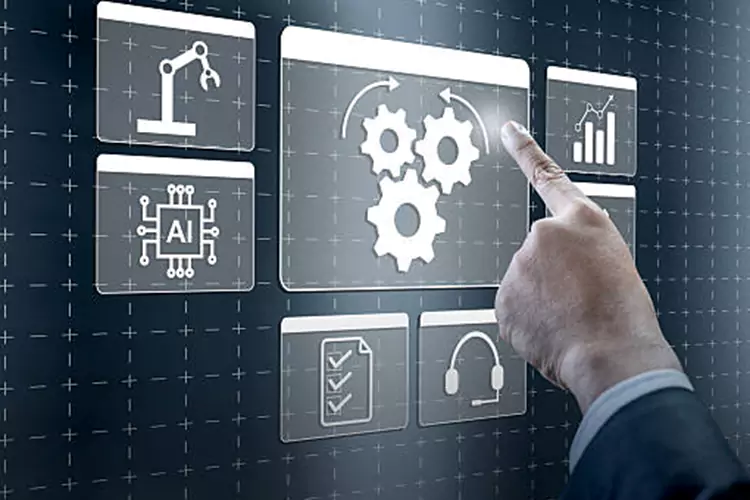
Automation is best used for repetitive and time-consuming tasks. Professionals with an aptitude for identifying such tasks are of immense value to their respective organisations.
Process optimisation entails the analysis of workflows with the aim of performing them more effectively using automated tools. This could entail automated reporting, responses from customers, or data entry.
They should focus more on value-added activities such as planning, creativity, and solving, rather than worrying about losing their jobs to automation.
Artificial Intelligence Tools And Practical Applications
Applications of AI in today’s work environment already exist, even when they have not been termed AI applications. Examples include resume scanners, chatbots, recommendation engines, and content generators.
Professionals need to be aware of how these tools are used in their sector. For marketing, AI assists with customer analysis and content suggestions. AI assists with recruitment as well as performance analysis in HR. AI enables better forecasting and risk analysis in finance.
The important skill, here, is knowing where AI is adding value versus where human input is critical.
Critical Thinking And Problem-Solving
For instance, a computer can process large amounts of information fast, but it is not a substitute for human judgment. Experts ought to judge computer output critically rather than blindly.
Critical thinking requires evaluating results, testing assumptions, and grasping why certain recommendations exist. Problem-solving is a tool for professionals in applying AI results.
This enables the AI to always be a help tool rather than the decision-making authority.
Innovation and Creativity in the Era of AI
Counter to conventional wisdom, creativity is not minimised by AI, but rather it assists creativity. While AI is used for generating ideas, drafts, orpatterns, it is the human being who refines, connects, or innovates.
Those professionals who employ the use of AI as a creative assistant are able to work faster and also consider more options. Innovation lies in the integration of human creativity with the efficiency of the machine.
This skill is particularly relevant to jobs that involve content, design, strategy, and product.
Communication and Collaboration Skills

Professionals have to articulate their insights from the AI system in an understandable way for other parties. This may be the manager or the client.
Communication ability is highly useful for converting numbers and AI results into clear and actionable information. Teamwork abilities are also important when working with different teams of experts in technology.
This is achieved by the effective communication of decisions made by artificial intelligence
Top Three Things You Should Know Before Obtaining These Skills

Ethics, Bias, and Responsible AI Use
AI systems are only as fair as the data they are trained on. Bias, privacy, and misuse are major concerns. Professionals must be apprised of the ethics of AI, particularly with regard to data. Fair usage of AI helps protect both corporations and individuals against legal and reputation damage. An awareness in this regard is increasingly important as regulations on AI are changing.
Adaptability and Continuous Learning
AI technology keeps developing and changing. Applicable skills now can become outdated later. Some of the most desirable qualities that a professional can have are the ability to adapt. Learning is a function of remaining curious, learning new skill sets, and accepting change. Individuals who adapt quickly are more likely to move along with technology than resist it. Learning is a task that need not necessarily happen through a formal learning programme.
Workplace Skills That Complement AI
Even though technical knowledge is necessary, it is not possible to underestimate the importance of human skills. Emotional intelligence, leadership qualities, empathy, and strategic thinking are essential in AI-based work environments. This helps professionals in managing other professionals, handling tough situations, and making ethical judgments. Even though technology and AI can help, it is impossible for them to substitute caring and values-based human understanding.
Conclusion
Artificial intelligence and automation are changing the way work is done. However, artificial intelligence and automation do not render human professionals redundant. They only redefine the qualifications needed to be successful. By developing AI knowledge, enhancing data literacy, building critical thinking capabilities, and bolstering human skills, professionals can remain current and confident. The future is with those who view AI as an ally, not an adversary.
.webp)