How Working Professionals Can Prepare for Leadership Roles
Workplaces in India have been rapidly evolving. Whether it be IT, finance, manufacturing, healthcare, or a startup, there has been a growing need for people who can lead teams, address issues, and provide a sense of consistency when there is change all around.

Not only does a leadership role mean an increase in pay for a number of working professionals, but there is also ‘influence,’ ‘impact,’ and ‘growth.’ What is quite interesting is that nowadays, being a leader is not only in the hands of people with large titles. In this modern era, even associates at a senior level, team leaders, and professionals at a midpoint in their career are also expected to possess the qualities of a good leader. In today's digital change and AI era, organisations now require leaders who can manage people and change at speed.
The bright spot is that the skills needed to be an effective leader are not inherent and instead are learned. This is true no matter which point you are at in your profession.
Understanding What Leadership Really Means
One common misinterpretation that happens in India is "leadership = promotion." However, leadership starts much earlier than that.
Good leaders solve problems, think strategically, and make decisions when they're calm. They influence others through trust and values rather than through their positions as bosses or leaders. Research indicates that humility, EQ [emotional intelligence], and integrity influence leaders' greatness more than charisma or boss-like-ness.
In the Indian work environment, in particular in cities such as Bengaluru, Mumbai, Chennai, Pune, Delhi, and Hyderabad, there is a growing need for individuals who are able to think in the long term and help in guiding others during times of change, rather than merely accomplishing tasks.
Begin With Self-Awareness

Prior to pursuing a shot at leadership roles, it is important to have a better grasp of yourself. It is at this point that self-reflection plays an important role. Think for a moment about the following questions:
What drives me in the workplace?
What are my core strengths?
Which behaviours do I exhibit that benefit others?
What is challenging for me (communication, conflict, pressure, planning)?
What kind of leader would I want to be?
This clarity is the starting point of your leadership odyssey. A leader learns and prospers more when they can honestly discuss their strengths and weaknesses about which they know very little.
Develop the Skills That Matter Most to Indian Industries
The corporate culture in India favours some behaviours in a leader more than others. The skills are useful, learnable, and necessary for any individual who wishes to ascend to such a position in the future.
-
Strategic Thinking
Good leaders don’t just focus on the tasks they need to do every day. They also know the bigger picture of what their tasks mean for customers and business goals.
Emotional Intelligence
Indian teams react well to leadership that has an understanding of people. This means controlling your personal reactions, being cool under pressure, and knowing what people around you feel.
Clear Communication
Whether disseminating concepts or delivering feedback, effective communication is essential for leaders. In Indian multicultural workplaces, the ability to communicate well is even more valuable.
Decision
Leaders make decisions even in situations that are not clear. Making decisions shows leadership, trustworthiness, and development at the workplace.
Ethical Behaviour
Your teammates are also looking to you for cues. Good leadership inspires high standards in these areas.
Team Development
Leading doesn't mean doing all the work yourself; leading means developing other people. Supporting others in their work and delegating are leadership qualities.
Build Your Professional Leadership Brand
Your reputation is your brand in today’s competitive job market in India. An effective leadership brand is therefore dependent on speaking, working, interacting with others, and undertaking initiatives. Your online presence is an important part in modern days.
Improve your leadership brand by:
Having an active and professional presence on professional networking websites.
Giving your opinions or learning from your tasks
Doing the tasks that are under one's ownership despite the difficulties involved
Assisting fellow workers, orienting newbie teammates
Exhibiting consistency in behaviour
As people recognise you as trustworthy and thoughtful, they start seeing you as a leader.
Leadership Requires Continuous Growth

Contemporary work environments change rapidly, and leaders have to change with the times. And this doesn’t always mean expensive courses. Learning arises from the following sources:
Formal Learning:
Leadership certifications
Executive MBA or Management Programs
Leadership Courses Online
Self-Driven Learning:
Books and Podcasts
Seminars or Motivational talks
Industry leader profiles
Observations of your supervisor's practice leadership
Experience-Based Learning:
Managing Small Projects
Intern/ Junior Mentoring
Acceptance of new responsibilities
Instead of waiting for a title, you become a leader by becoming a practitioner of leadership.
Seek Out Mentorship And Supportive Work Cultures

Professionals generally tend to underestimate the importance of mentorship. A mentor, in-house or external to your firm, can quickly advance your growth by helping you in:
Avoiding common mistakes
Understand Office Politics
Boost confidence
Develop your thinking
Obtain visibility
The selection of the right organisation is equally important. If a company promotes communication and esteems people and growth, it can make you a leader faster compared to an organisation that boasts of hierarchy alone.
Mid-Career Professionals Should Prepare For Senior Roles
As Indian companies expand globally, mid-career professionals get more chances to shift into director, VP, or C-level positions. However, these positions demand a deeper understanding of the business world.
A working knowledge of:
Finance and budgeting
Organising large teams
Digital transformation
Cross-Functional Strategy
Industry trends
Global business practices
However, those who exhibit ability and awareness stand out early.
Practise Leadership Every Day
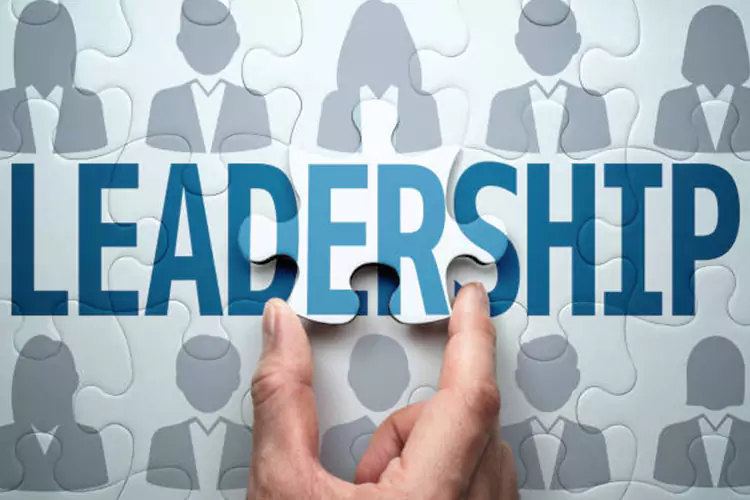
Being a leader is not something that one becomes when they become a manager. It starts with what we do today. Take on leadership roles by:
Maintaining composure during a conflict
Dealing with deadlines effectively
Resolving issues even before escalating them
Problem-solving
Supporting newcomer players
Volunteering for Projects
Being reliable and consistent
When others trust you, then leadership roles will come naturally to you.
Accept Failures As Part Of The Leadership Journey
Failures are an inevitable ingredient of every leadership journey. Even the most successful one had tumbled once, but what sets great leaders apart is the willingness to learn from those setbacks. Every failure serves as a vital lesson: a little more patience in adverse conditions, clearer decisions, emotional stamina to receive the impact without yielding, and smarter strategies for the times to come.
Especially in Indian workplaces, people relish leaders who accept mistakes, adapt with agility, and keep moving rather than sidestepping the problem. These lessons, in the due course of time, build a stronger, wiser, and resilient leader.
Evolve Your Leadership Style Over Time
There is no fixed formula for leadership. In life, as you grow in terms of maturity and age, there are various things that change. Question yourself:
What have I been able to improve in the previous six months?
What feedback do you keep hearing?
Am I becoming a more patient person or a more reactive one?
Are people comfortable enough with me to come up with
Your leadership journey will be more powerful if you remain receptive to change.
Conclusion
When it comes to preparing for a leadership position, it’s not about when someone is going to give you a leadership role; it’s about developing yourself every day. Indian companies are actively searching for professionals who have the ability to think forward, have the maturity to work with people, and are able to navigate uncertain times to guide their teams.
By working on your own development through awareness, education, mentoring, and practising behaviours, you are building yourself not just for roles in an organisation but for a better and more fulfilling career. Leadership begins with intention. Today is the right time to act.
.webp)