Mid-Career Crisis: How To Restart And Rebuild Your Career
Sometimes people get to a point in their job where it just does not feel right anymore. They have a job, they make a good living and they have a title that sounds important but they still feel unfulfilled.

Mondays are really tough for some people, they do not want to do their work. They start wondering if this is really what they want to be doing for the rest of their life. This is what people call a Mid-career crisis. It is a time when they start thinking about their career and if they are happy with their job. They have a Mid-career crisis because they are not sure if they want to keep doing what they are doing.
A mid-career crisis does not mean you have failed, nor does it mean you made bad choices earlier in your life. It usually means that your priorities or expectations or the things that are happening in your life have changed. If you think clearly and make a plan this time can be a change for the better. It can help you build a career that is right for the person you are now, not the person you were ten years ago.
What Is A Mid-Career Crisis?
A mid-career crisis is when you start to feel unsure, unhappy or lost in your job. This usually happens after you have been working for a while. You have put a lot of time and energy into your career. Then something changes. You might not feel like you are moving forward like you used to. You might have work to do, but it does not make you happy. The thing that initially motivated you to pursue a job is no longer there. A mid-career crisis often hits when people feel stuck at work. It can be difficult to handle the sense that your career is off track and no longer gives you the satisfaction you hoped for.
A mid-career crisis is really different from being burned out or stressed at work. When you are burned out, it is usually because you are exhausted from working too much. A mid-career crisis is more about thinking deeply about your life. You start to wonder about what you want to do with your life. If you are doing what is right for you.
Common Signs You’re Experiencing A Mid-Career Crisis

A crisis in the middle of a career seldom hits a professional suddenly. It often develops gradually and manifests itself in small doses of feelings of discontent with a career or occupation. Professionals often feel disconnected and uncertain while still performing well in their professional lives and conveying this impression to their colleagues and seniors as well. It is essential to identify these subtleties related to a career crisis.
Feeling stuck despite experience and skills: Some professionals reach a point where experience does not add to personal or professional growth. Though the individual knows the job inside out, he or she is stuck on the same tasks and lacks the opportunity to learn and progress.
Lack of challenge in present role: This involves doing work that seemed stimulating but now seems routine. This involves undertaking tasks without being challenged, hence experiencing no excitement when one completes their tasks.
Loss of Interest in Routine Activities: Activities that the individual found interesting earlier may start to feel repetitive or meaningless. It is quite possible that the individual may not have the same level of commitment or enthusiasm towards this particular activity.
Constant Comparison with Peers: There will be a general tendency to compare oneself with others or with friends belonging to the same age group. Witnessing others race ahead can lead to feelings of nervousness, doubt, and being left behind.
Loss of motivation and energy: Even simple chores may start to feel exhausting. There is more procrastination than usual, and one may feel a lack of motivation despite having manageable work.
High degree of self-doubt and second-guessing past decisions: They may begin to question past career-related decisions and wonder if they made the wrong career choice entirely.
This inner turmoil will often quietly build over the years. Such signs normally develop slowly and not all at once. Because of this, many people tend to disregard or fail to acknowledge them until it becomes difficult for them to control their level of satisfaction.
Why Mid-Career Crises Happen
Crises during the middle career are not the effects of a single problem but are often a culmination of a range of issues.
Unfulfilled expectations may be one of the top considerations. At the beginning of a career, one may view potential in terms of rapid advancement, recognition, or economic success. If, instead, a more measured pace occurs, dissatisfaction may arise. The fear of missing out may be another concern. Observing others embark on a different career, construct a business, or attain success may evoke feelings of displeasure or uncertainty.
Career Plateaus in a career are another major reason. Professionals attain a point where career advancements become limited, and competition becomes tough. On another hand, personal interests undergo a shift. Professionals may attain a stage where they require a work-life balance.
Moreover, changes happen in the industry as well. Skills that were useful in the past might become redundant, making experienced employees feel old and inferior. All this culminates in giving rise to a mid-life crisis.
Pause Before You Quit: Mistakes To Avoid
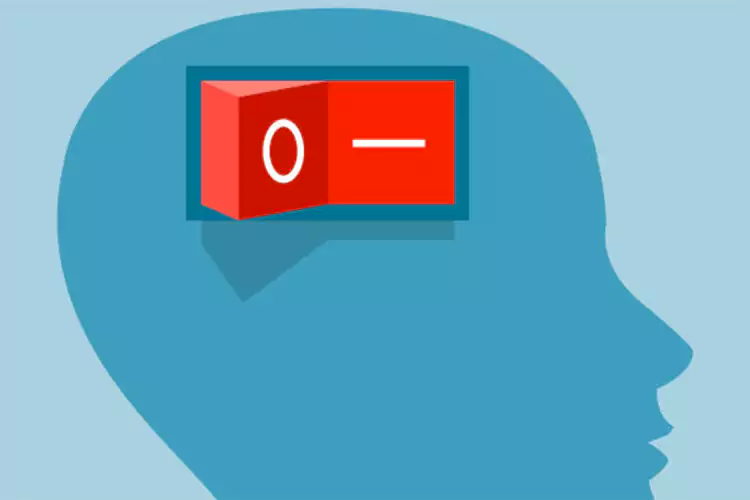
If the dissatisfaction is allowed to accumulate, the impulse to quit on a whim may be great indeed. Yet acting impulsively is more likely to increase pressures than to alleviate them.
Another mistake that people make is counting on a change of job or firm to resolve the problem. Sometimes the problem is not the organisation but a mismatch between the job requirements and personal goals and aspirations. Looking at the careers of others and doing the same thing yourself may mislead a lot, since all careers are presented with unique circumstances and scenarios that might differ from yours and others.
Prior to any radical shift, it is imperative to slow down, reflect, and distinguish emotions from rational decision-making.
Step 1: Re-evaluate Your Career Honestly
Rebuilding a career begins with an honest assessment of oneself. This means looking at work, not job descriptions or wages, but at the work itself. Think about the activities that give you strength versus those that weaken you. Think also about the skills you have built up over the years and what you are actually best at.
It is also a good idea to reassess what defines a successful life during this particular phase. The criteria that counted in your twenties may not have the same significance. Some individuals during this phase feel that stability, flexibility, and/or purpose are more significant to them as compared to those who experienced extensive growth.
Step 2: Redesign Your Current Role Before Switching
Potentially, Not all mid-life crises necessarily mean a change of careers. It is quite common that, by now, a change in present employment can be accomplished by a modification of the existing position, a procedure often referred to as job crafting. You could then embark on new projects, perhaps switch to a strategic and mentoring capacity, and then consider lateral moves. This will enable you to further develop yourself without veering from being financially secure. Instead of searching somewhere else, your current surroundings could have some improvements to answer.
Step 3: Upgrade Skills That Match Today’s Market
Skill stagnation is a significant cause for career discontent. Because of the constantly changing nature of industries, one of the most significant needs is the acquisition of new skills for relevance. Skills that match the needs of the market can revitalize one’s career and present new avenues.
This, of course, does not mean going back to full-time education. Learning through short courses, certification, a workshop, or mentoring may be an effective way. The aim here is to improve both technical and transferable skills without quitting the present job.
Step 4: Explore New Career Directions Safely
If the results point to a new direction, it is always a good idea to dip a toe in the water before making the complete transition. Side projects or freelancing are great ways to test a new passion or interest while maintaining your current stream of income. This stage also allows you to determine whether the new direction really fits you or whether it looks good only from afar. Creating an emergency fund during this phase gives you the luxury of making informed decisions as opposed to rash decisions.
Step 5: Seek Guidance Instead of Struggling Alone
Often, people face this crisis alone, and it leads to further confusion. Talking to teachers/mentors, career counselors, or friends and family members could be of good help. It will help you break some of your notions and make you aware of the possibilities you may not be realising.
A networking activity during this stage should not be based on finding a job. Learning from other people’s experiences can actually normalise how you are feeling, and this can be a great way to learn about other career options.
How Long Does It Take To Recover From A Mid-Career Crisis?
When it comes to overcoming a mid-career crisis, there is no set timeline. It can take some people a short amount of time, such as a few months, to figure out what they want, while others may need over a year to move past it.
The indicators of a corrected career are the emergence of motivation and goal orientation, and the feeling of control over the situation.
Turning A Mid-Career Crisis Into A Career Reset

A mid-career crisis can sometimes be uncomfortable as it causes you to re-evaluate decisions that, at one time, you felt sure about. But being uncomfortable doesn't mean there has been an error on your part. On the contrary, it means that your career has shifted out of alignment with who you are now. With time, your values, role, or idea of success will change, and your career path, which once aligned, will now feel off.
Rather than viewing this stage as a problem of failure and disruption, it is better to consider it a point of reset. This presents a pause to reflect on what isn’t working and to adjust accordingly. This allows you to take a step back and refocus on areas of excellence, reevaluate personal and professional goals, and build a direction for personal and professional development.
Today, traditional careers mean nothing but straight lines. There are changes in jobs, sectors, and transitions, including total transitions. With planning and not panic, in a mid-career crisis, you can have an opportunity to create a balanced and fulfilling life. This will be aligned with your present needs and future plans.
Conclusion
Having a career crisis in the middle of your career doesn’t mean that you’re past your peak. It simply means you’re at an age where you need to reflect on what you’ve learned and where you go next. It means you have experience behind you and the clarity in front of you to remake your career.
In other words, instead of fearing discomfort, embrace it. Do not quickly look for ways to leave it; instead, take the time to understand it. In doing so, you give yourself the chance to rebuild your career based on who you are now.


.webp)