The Fastener Revolution
How Two Brothers From Ghaziabad Ended India's Dependence on Imported Screws—and Helped Build a Nation
Behind every metro rail, every steel-clad building, every infrastructure marvel of modern India, there's an invisible hero: the humble screw. And behind those screws, there's an unlikely story of industrial independence.
In 1999, amidst India's burgeoning economic landscape where the tech sector celebrated Y2K contracts and pharmaceutical companies courted global markets, two brothers from Ghaziabad, Pankaj and Vipin Lidoo, were fixated on something decidedly unglamorous: fasteners. They had identified a critical vulnerability within India's rapidly expanding construction sector. Self-drilling screws—essential components for the new color-coated sheet technology that was transforming Indian architecture—were available from only one source: Taiwan.
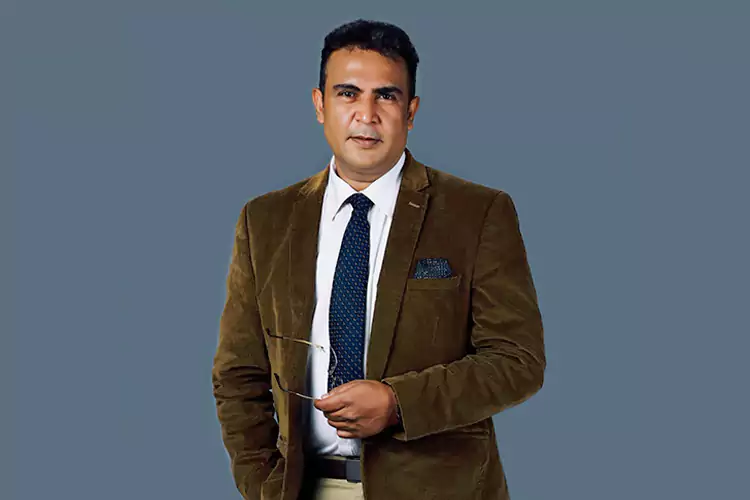
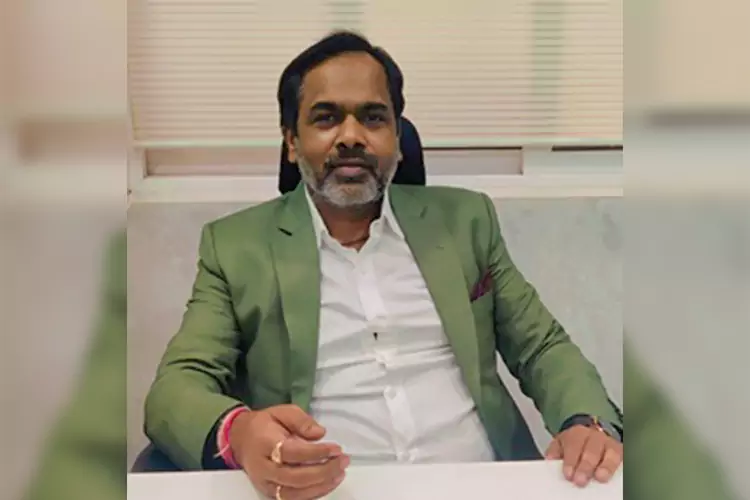
"The entire construction industry was hostage to foreign suppliers for something as basic as a screw," recalls Pankaj Lidoo, now Managing Director of Landmark Crafts. "We realized that India's infrastructure dreams were literally being held together by imported fasteners." The supply chain dynamics were brutal. Construction delays, cost overruns, and stretched project timelines became common because builders had to wait weeks for specialized screws to arrive from across the Indian Ocean. The Lidoo brothers didn't just see an inefficiency; they recognized a significant business opportunity intertwined with a nationalist mission.
Rather than merely profiting from the import trade, they chose a more challenging path. This involved multiple research trips to Taiwan, substantial investments in Research and Development, and intricate technology transfer negotiations. By the early 2000s, defying conventional entrepreneurial wisdom that considered fasteners too mundane, they had established India's first indigenous manufacturing facility for self-drilling screws in Ghaziabad, betting their future on this critical product.
Their timing proved prescient. As India's infrastructure spending accelerated dramatically, Landmark's products became the invisible sinews of national development. Pioneering phases of the Delhi Metro, critical BHEL installations, and numerous Indian Railways projects for the first time relied on fasteners proudly stamped "Made in India."
Understanding that a one-size-fits-all approach wouldn't suffice in a country as diverse as India, the Lidoo brothers went further. In Himachal Pradesh's timber-heavy construction zones, they supplied wood-specific solutions. Along Karnataka's coastline, they developed anti-corrosive variants to battle salt-laden air. This geographic customization became a powerful competitive edge, forging partnerships across metro systems in multiple cities. "In every assembled product, there is a fastener holding the structure strong and safe," Pankaj explains. "We provide the strength you may not see, but you can always trust."
Today, Landmark operates ISO 9001:2015-certified facilities in Panchkula, backed by a robust CRISIL SME-1 rating. Their product portfolio has expanded to include aluminium blind rivets and drywall screws, with concrete wall screws currently in development. A network of 10-11 marketing offices ensures comprehensive nationwide reach.
The company's journey perfectly mirrors India's manufacturing evolution—a remarkable transition from import dependence to formidable indigenous capability. Landmark Crafts embodied "Make in India" decades before it became a national policy, transforming from mere resellers of Taiwanese technology to indispensable suppliers for the nation's most critical infrastructure. In an age often dominated by unicorn valuations and disruptive rhetoric, Landmark Crafts represents a different,
enduring metric of success: one measured not in market buzz but in structural integrity, not in venture funding but in industrial self-reliance. Sometimes, the smallest components enable the biggest transformations. And sometimes, the most profound revolutions happen one screw at a time.

.webp)